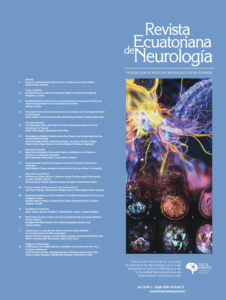
Neurology has always been a complex discipline in which every consultation, every complementary study, and each patient challenges us to interpret the signs and symptoms of the physical examination, arrive at a diagnosis, and ultimately determine the appropriate treatment. In recent years, artificial intelligence (AI) has been added, and its presence continues to grow in our field, already becoming part of our daily practice. When used properly, these tools help neurologists shorten the time required to search for differential diagnoses while maintaining clinical depth.
Publicación Oficial de la Sociedad Ecuatoriana de Neurología, de la Liga Ecuatoriana Contra la Epilepsia y de la Sociedad Iberoamericana de Enfermedad Cerebrovascular